Life of Signs – Wolfgang Schmidt's Legacy as an Emergent System of Thought and Design
Department of Design
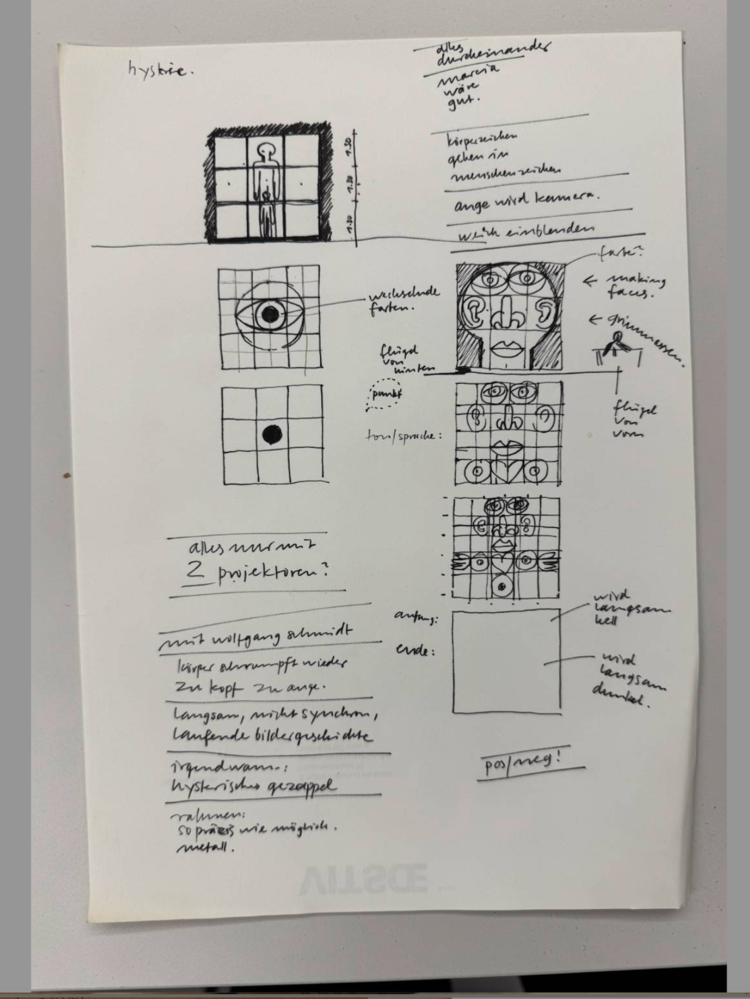
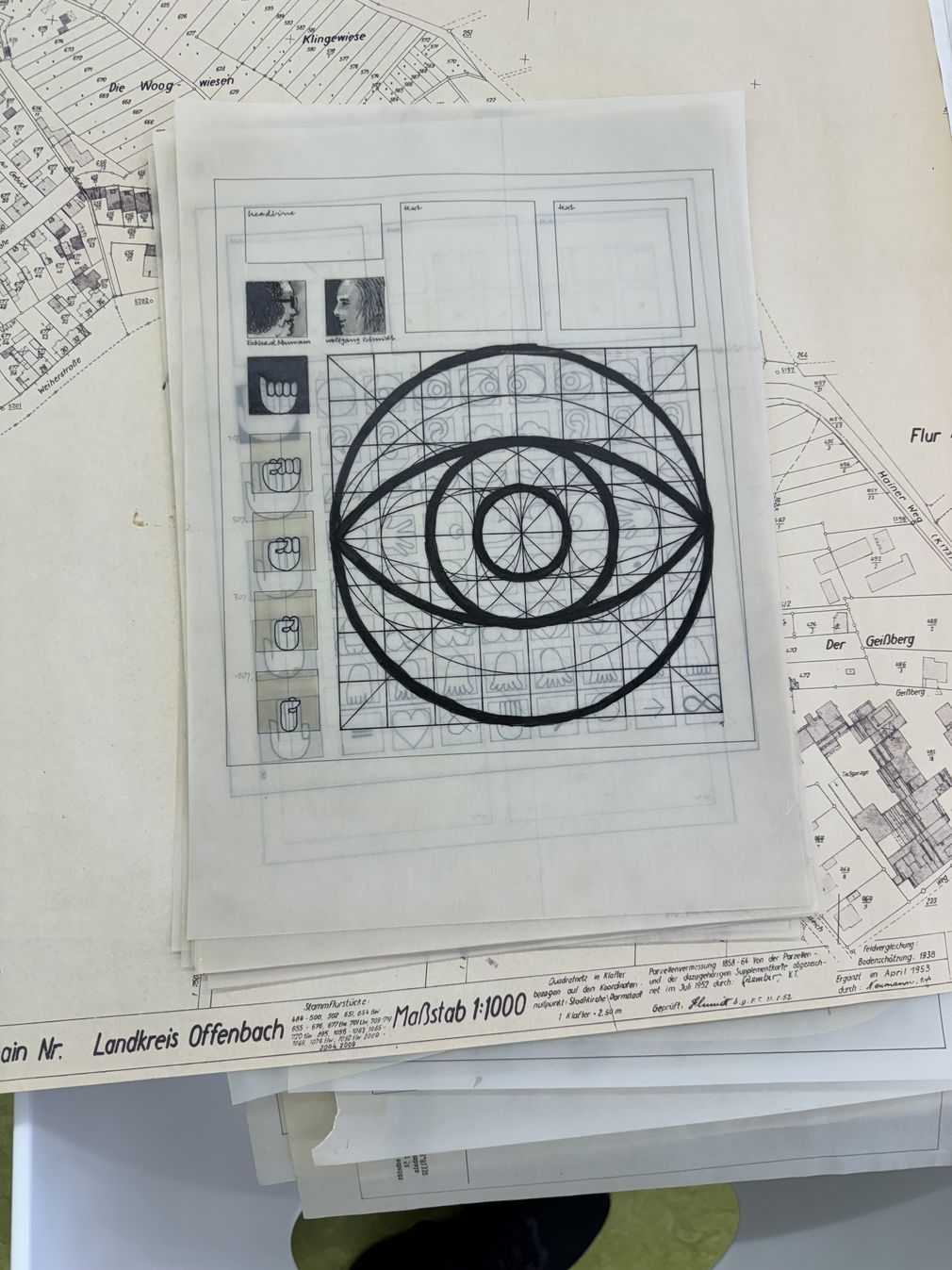
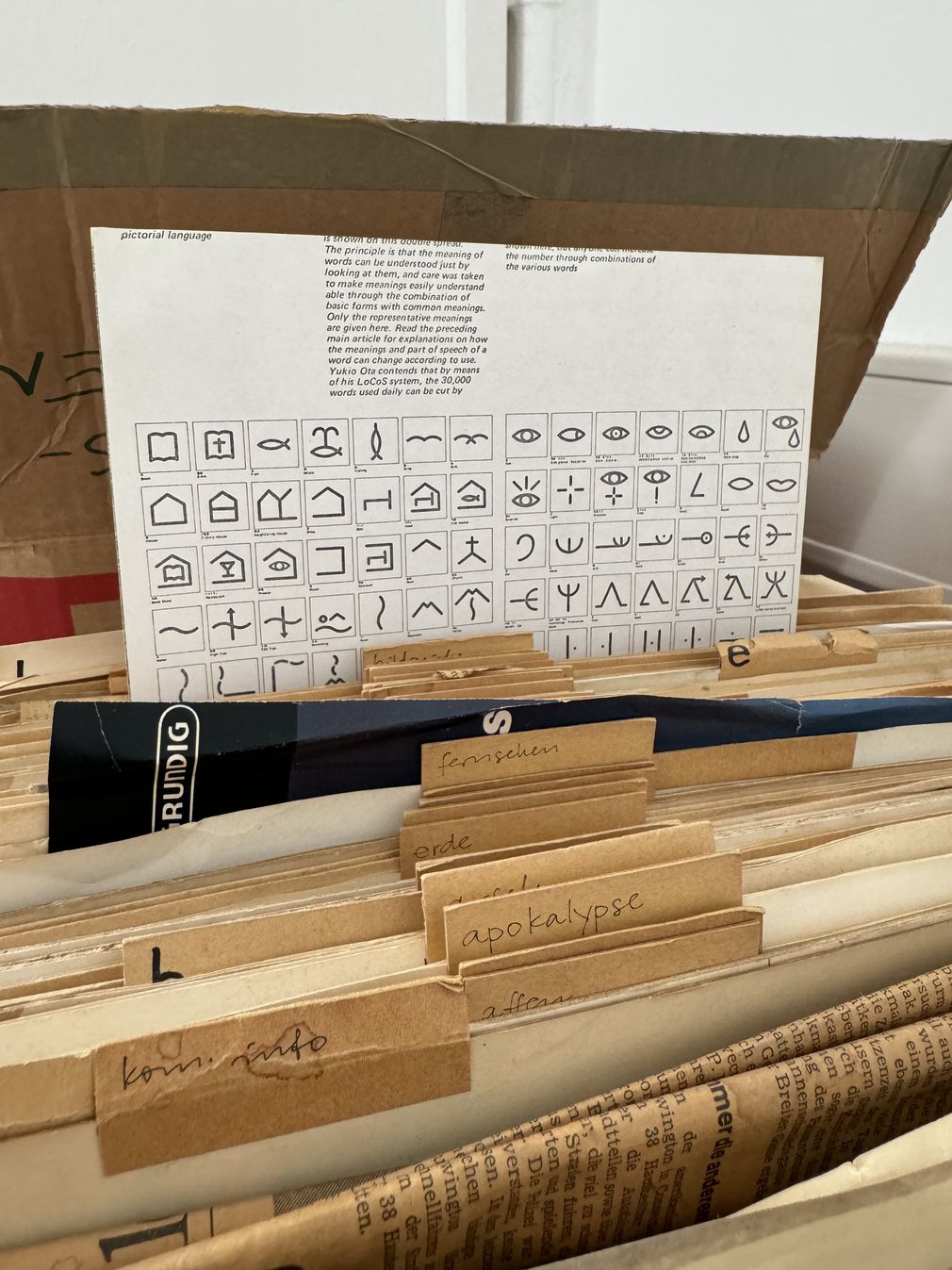
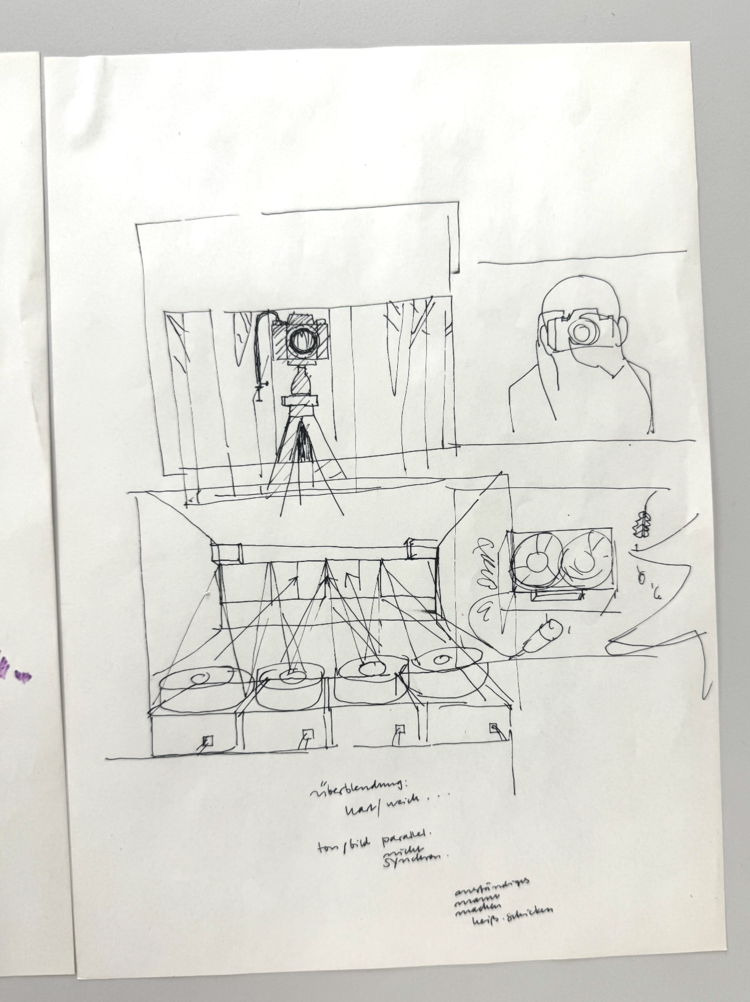
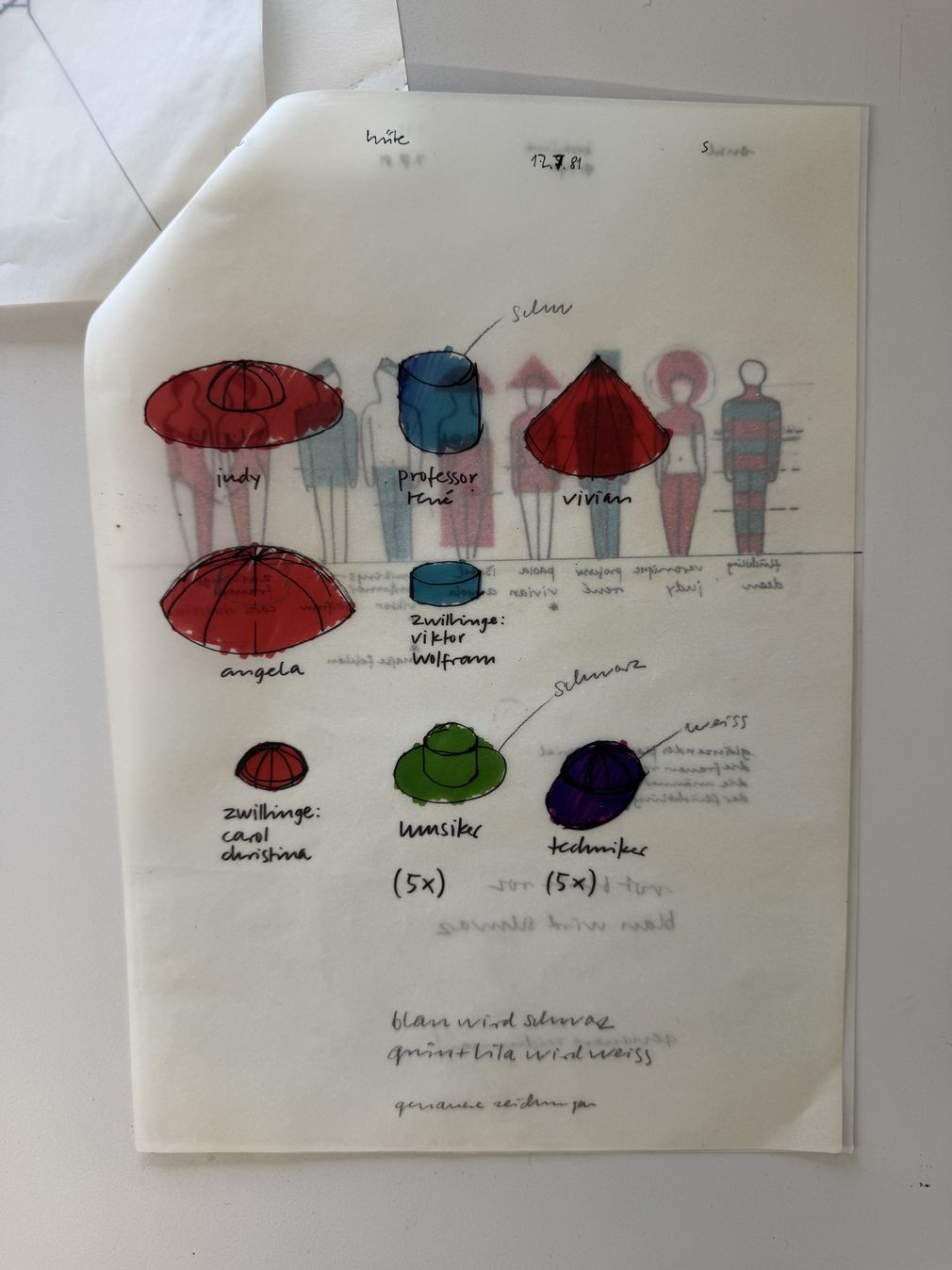
With the return of the personal archive of Wolfgang Schmidt (1929–1995) to the hfg Offenbach, an extensive body of material has once again become accessible after decades and is now subject to comprehensive scholarly evaluation for the first time. The holdings comprise card indexes, drafts, prints, notations, correspondence, and working documents from various phases of his career. Rather than documenting finished works alone, the estate preserves traces of working procedures and renders visible the structural conditions under which Schmidt’s thinking and designing unfolded.
This study approaches the estate not as a closed collection, but as the manifestation of processes of thought and organisation that generate specific forms of knowledge. Methodologically, it combines archival research, design-theoretical analysis, and practice-based evaluation. The systematic digitisation and indexing of the material reveal relationships between phases of work, groups of documents, and constellations of motifs that would remain only fragmentarily perceptible within the physical archive. At the same time, this process establishes the basis for structured scholarly and public accessibility.
Such an understanding of the archive corresponds to Schmidt’s own conception of design. In his practice, Gestaltung appears less as the production of discrete, self-contained artworks or commissions than as a continuous and open process. It unfolds through drawing, ordering, collecting, and rearranging signs, and materialises in exhibitions, printed matter, and posters. System, order, seriality, and the formation of signs constitute central structural principles of his work.
From the early 1960s onward, Schmidt lived and worked in Dreieichenhain near Offenbach. His practice encompassed applied graphic design, autonomous poster projects, and conceptual pictogram systems. In addition, he was active as a teacher and engaged in locally rooted, politically motivated initiatives, including efforts to preserve Dreieichenhain’s historic town centre and projects for the women’s group known as the Hayner Weiber.
Supervisors
- Prof. Dr. Tom Bieling
- Prof. Adrian Nießler
- Prof. Catrin Altenbrandt
...